Teak Garden & Indoor Furniture Manufacturer
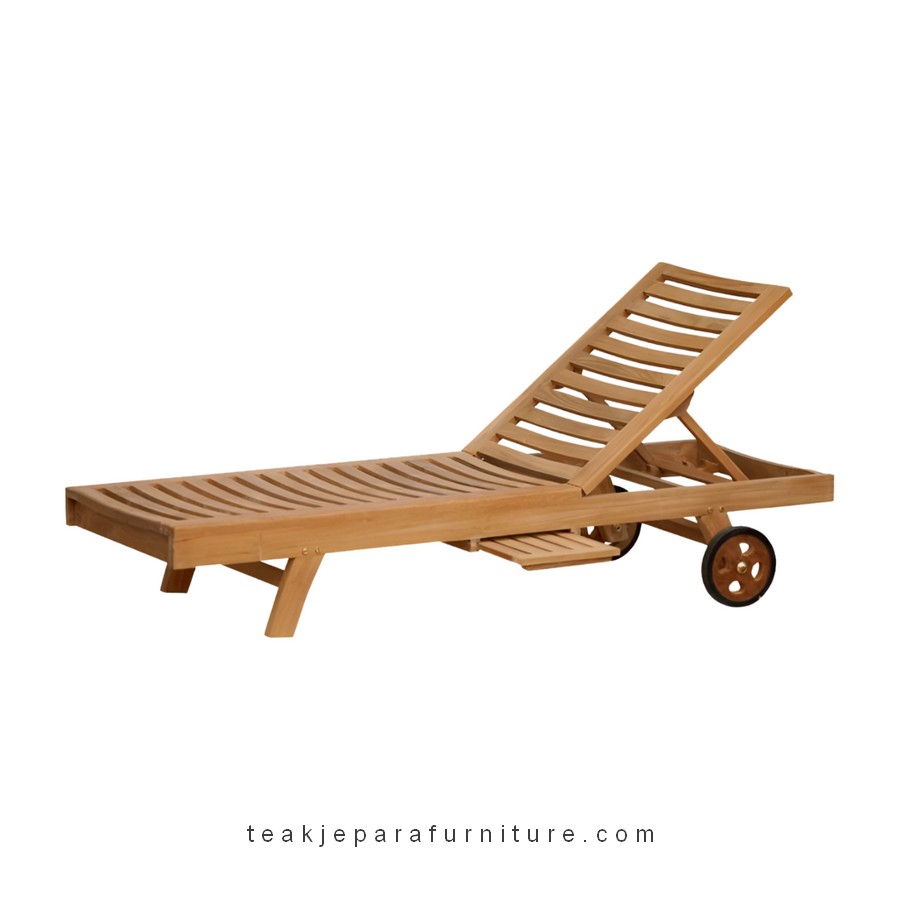
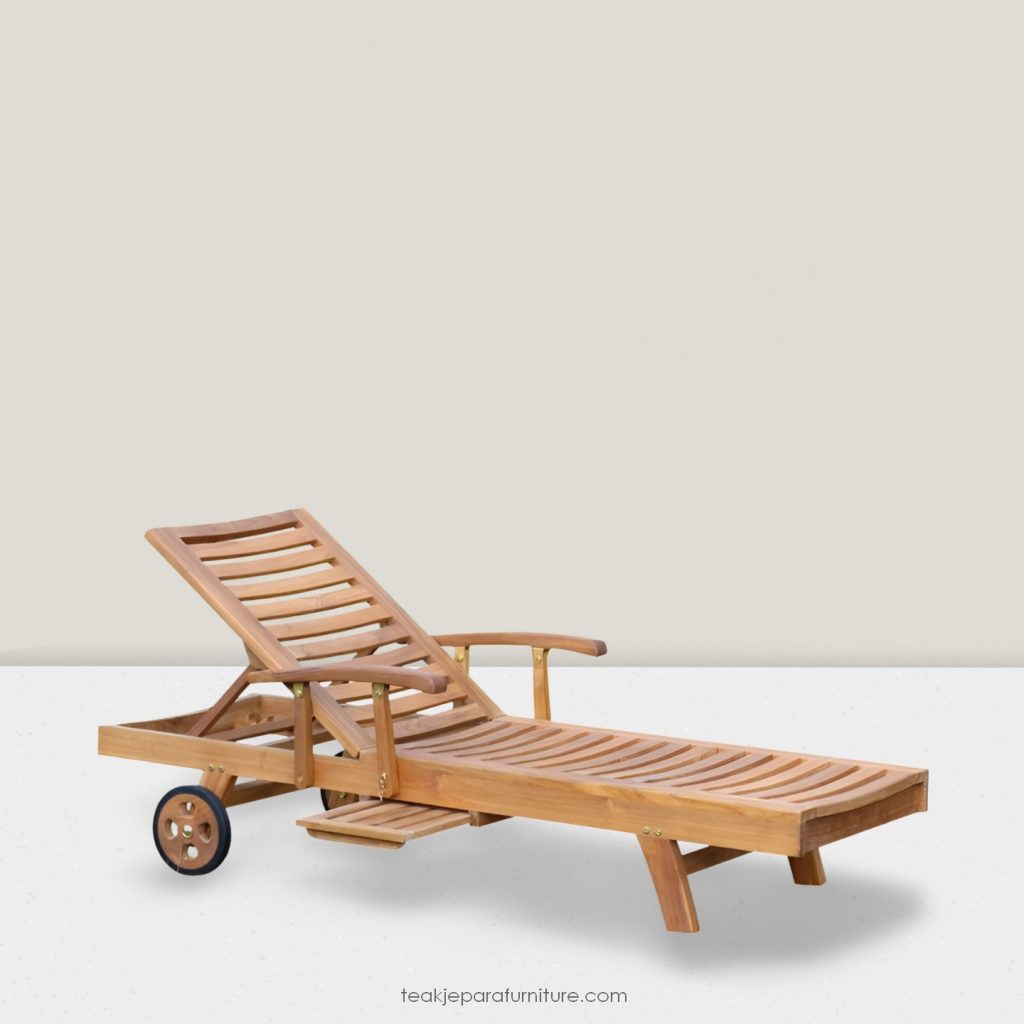
For hotels and resorts, commercial-grade solid teak chaise lounges combine timeless design with hospitality-grade durability in high-traffic areas

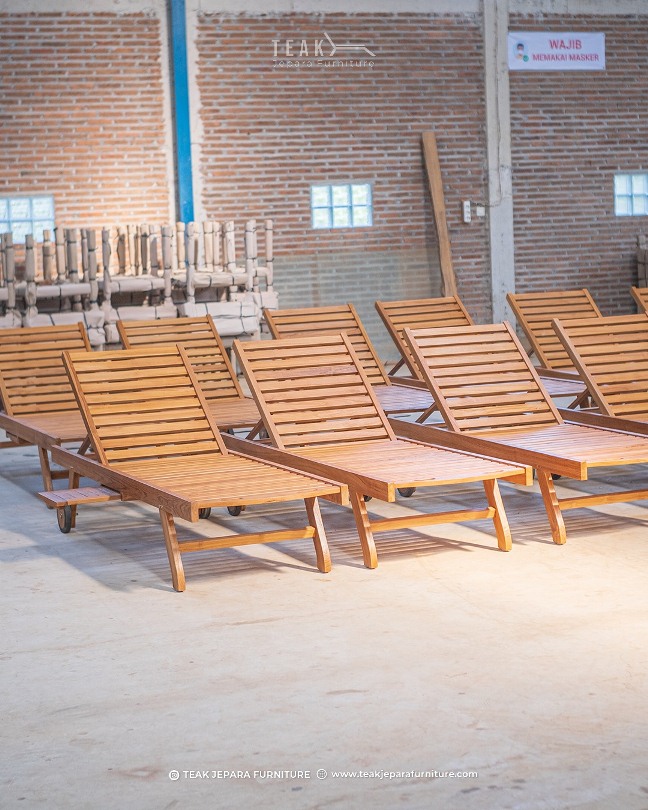
The solid teak chaise lounge has an intriguing history that spans centuries, having evolved from the sophisticated deck seats that were found on luxury ocean liners and British colonial estates. Due to the fact that ship commanders and naval architects discovered that teak could endure the punishing combination of constant moisture, saline spray, and unrelenting sun exposure that devastated other materials, these “steamer chairs” were deliberately constructed from this extraordinary wood. In the late 19th and early 20th centuries, affluent passengers reclined on teak lounges as steamships traversed the world’s oceans to cross the Atlantic. This association between teak furniture and refined leisure continues to this day. Many contemporary chaise lounges incorporate classic elements such as slatted construction, brass fittings, and gradually curved lines that recall their maritime progenitors, which are influenced by this nautical legacy. The experience of possessing a teak chaise lounge is enhanced by an understanding of its rich history; you are not merely purchasing furniture; you are connecting to a tradition of enduring design and quality craftsmanship.
 The exceptional biological constitution of teak wood is the defining characteristic of a solid teak longue lounge, which is the undisputed champion of outdoor furniture. Teak, which is predominantly harvested from Tectona grandis trees that are indigenous to Southeast Asia, is characterized by its exceptionally high concentrations of natural lubricants and silica, which serve as a self-protective barrier against environmental hazards. The water is so effectively repelled by these lubricants that it simply clumps up and rolls off, rather than permeating the wood grain, where it could cause decay or mildew. Teak is inherently resistant to insect damage due to its silica content, which renders it unpalatable and virtually impossible for termites and other wood-boring pests to digest. This dense hardwood is one of the most dimensionally stable materials available, which means that it will not enlarge, contract, distort, or fracture as temperatures and humidity levels fluctuate throughout the seasons. The smooth, splinter-free surface is maintained by the compact grain structure, which provides exceptional strength and actually becomes more comfortable with age. For generations, teak has been the preferred material for outdoor furniture, boat decks, and exterior architectural elements due to these properties, which render it superior to all other options.
 The incorporation of a solid teak chaise lounge into your outdoor design scheme offers a plethora of exciting aesthetic opportunities that extend beyond the confines of a poolside location. Create a sun-drenched Riviera ambiance by combining your teak settee with terracotta planters, wrought iron elements, and billowing white draperies in Mediterranean-inspired spaces. The natural wood grain adds essential texture and visual interest to contemporary minimalist designs, which benefit from the warm organic contrast that teak provides against clear lines, concrete surfaces, and monochromatic color schemes. When teak loungers are surrounded by verdant palms, colorful cushions in vibrant designs, and bamboo privacy screens that transfer you to a Balinese villa, tropical resort aesthetics come alive. Allow your teak to weather naturally to its silvery-grey patina for coastal themes. Complement it with navy blue furnishings, nautical rope details, and driftwood accessories. In the presence of English roses, stone pathways, and classic topiary, teak is gorgeously integrated into even the most traditional garden settings. Teak’s adaptability ensures that it never conflicts with other materials or styles—it complements a wide range of materials, including streamlined stainless steel and rustic reclaimed wood.
 In contrast to the meticulous maintenance required by other outdoor furniture materials, the upkeep of your sturdy teak chaise lounge is surprisingly simple. The warm tones will be preserved indefinitely by a straightforward routine of cleansing with moderate detergent and water, followed by an annual application of teak oil, if you prefer the original golden-honey color. Nevertheless, a significant number of owners opt for the low-maintenance approach of allowing natural weathering to take place. This process results in a silver-grey patina that is both refined and aesthetically pleasing, and necessitates no treatment. The underlying wood is structurally solid and entirely protected by its natural lubricants, despite the weathered appearance that is strictly cosmetic. A delicate scrub with a soft brush and specialized teak cleanser restores the surface of weathered teak or persistent stains without causing damage to the wood. Teak maintenance is optional, as opposed to painted or pigmented furniture, which necessitates periodic restoration, which involves chemical exposure and a significant amount of waste. Although the wood itself is essentially maintenance-free, the hardware—which is typically stainless steel or brass on quality pieces—may require occasional adjustment, and any furnishings should be stowed during extended periods of non-use. This convenience factor renders teak an ideal choice for individuals who require attractive outdoor furniture without the need for constant maintenance, as well as for busy householders, vacation properties, and others.
When selecting the ideal solid teak chaise lounge, it is essential to consider a number of critical factors that distinguish exceptional pieces from those that are mediocre. Initially, confirm that you are purchasing genuine solid teak, as opposed to teak veneer over inferior wood or composite materials. Solid construction guarantees performance and longevity. Analyze the joinery techniques; premium recliners employ marine-grade adhesives, brass or stainless steel hardware, and mortise-and-tenon connections in place of conventional staples or screws. Ergonomic features, such as adjustable backrests with multiple secure positions, can significantly improve the comfort and versatility of a variety of activities, including reading and basking. If you intend to relocate your lounger for stowage or to follow the sun, wheels or casters provide tremendous convenience. Check the weight capacity ratings, particularly if you intend to share the lounger or accommodate individuals who are larger in size. Assess the width and length dimensions in relation to your body measurement and the available space. Loungers are available in a variety of sizes, from compact single-width designs to generously sized models. Seek out considerate features such as armrests, towel rods, or integrated side receptacles that improve functionality. Lastly, determine whether you require cushions. If so, ensure that they are constructed from outdoor-grade, quick-drying polyurethane and have water-repellent, fade-resistant coverings. By investing time in evaluating these factors, you can guarantee that you will choose a chaise lounge that will provide you with years of enjoyment, rather than settling for a product that only appears attractive in photographs.